Skip to content
VOICE DESIGNER · NO RECORDING

AI Voice Design

Describe the voice you have in mind, from age and gender to tone, pace and mood. Voice design builds a new one to match.

97/2048
0/500
Try a voice style
Creates a new voice from your description. Sign in to generate; credits are charged by preview text length and refunded if generation fails.
01

Describe the voice

Age, gender, tone, pace and mood, in your own words.

02

Add a preview line

Type a sentence for the new voice to read aloud.

03

Generate and refine

Listen to the result, then adjust the brief.

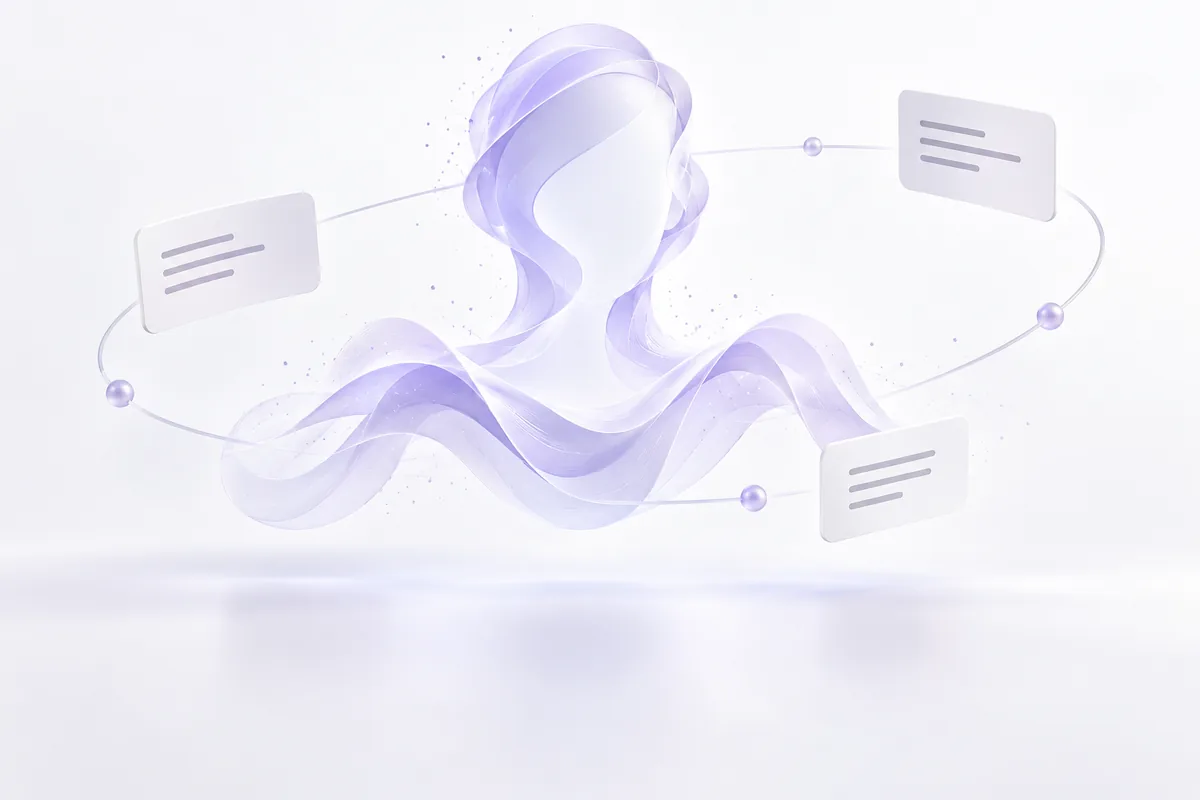
Three description cards around a ribbon forming a virtual speaker silhouette
It starts with a few words
01 / DESCRIBE IT

A custom voice from words

Voice design starts from a written description instead of a recording. Say how old the speaker sounds, how fast they talk and what mood they are in.

  • No recording or reference clip needed
  • Describe age, tone, pace and mood
  • Plain words, no audio jargon
02 / WRITING THE BRIEF

How to describe a voice

Concrete words work best. 'A woman in her 30s, warm and slightly husky, unhurried, smiling as she speaks' says far more than 'a nice voice'.

  • Name age, gender, texture and pace
  • Add the mood and where it will be heard
  • Or start from an example style and edit
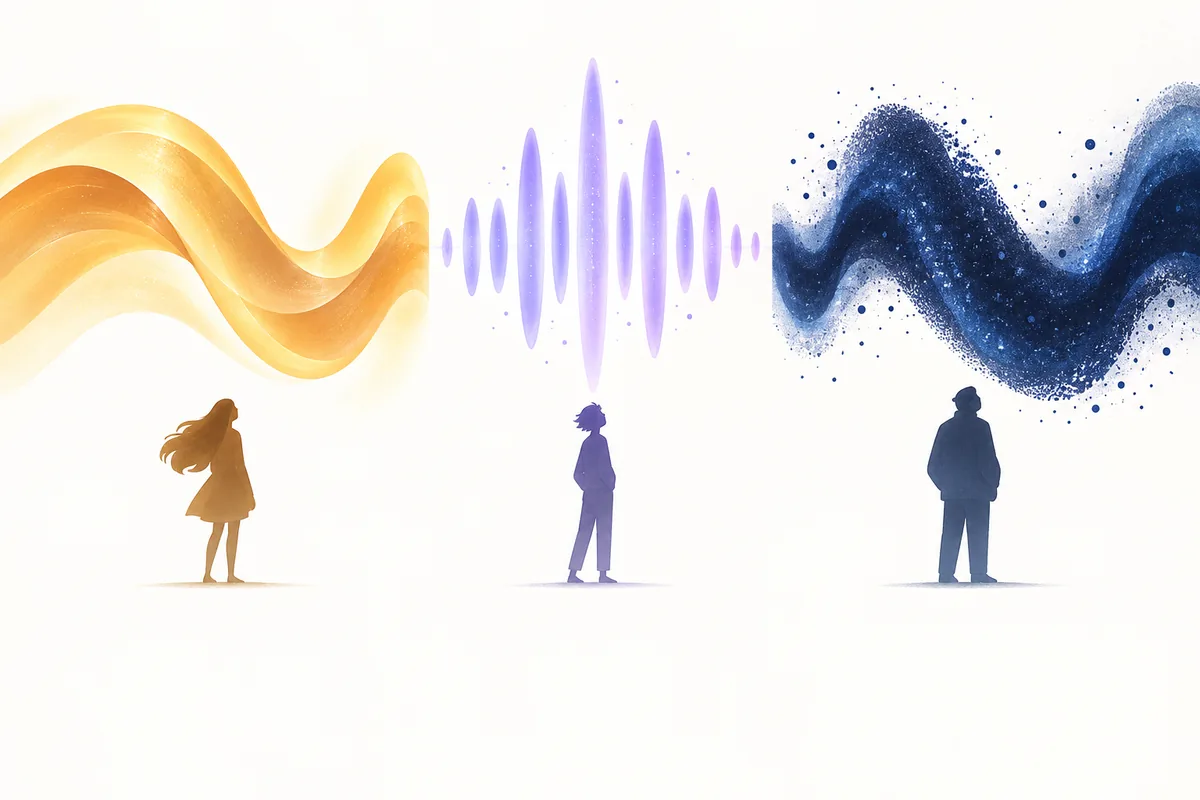
Three differently textured voice ribbons with matching character silhouettes
Texture, pace and mood in words
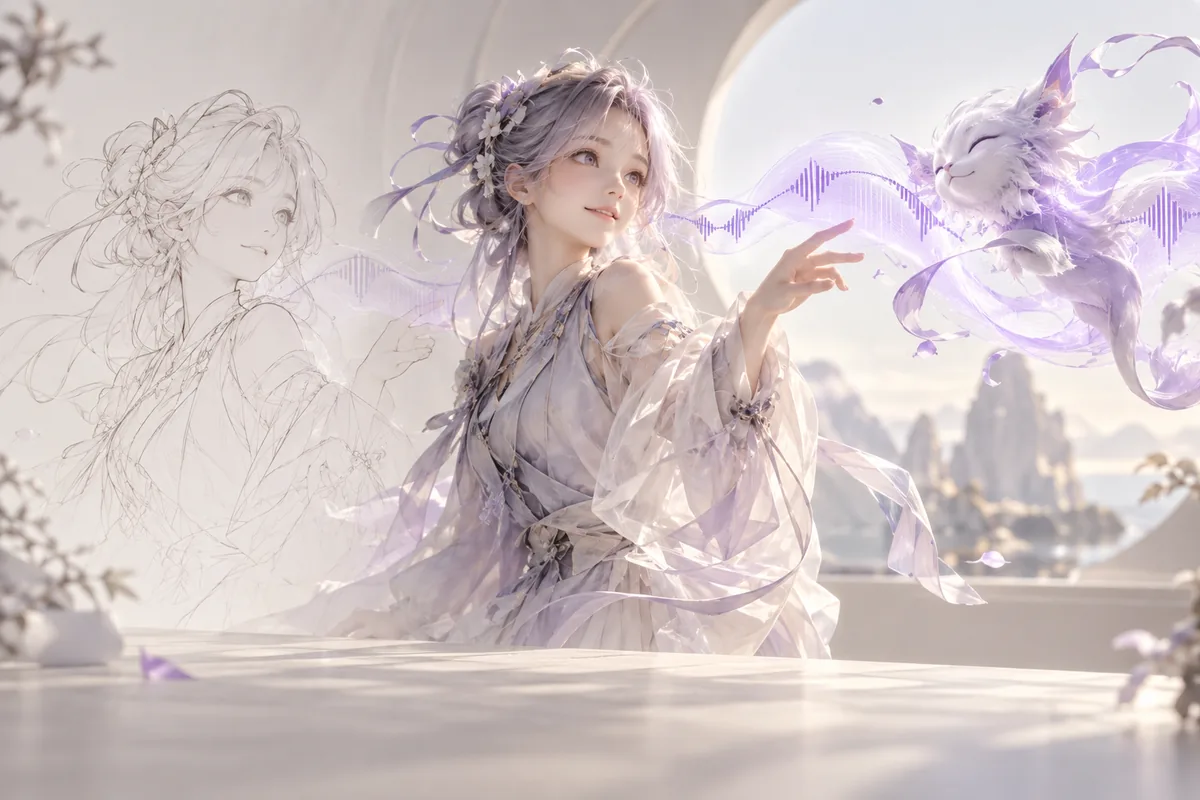
An original fantasy character emerging from a sketch with its own voice ribbon
A voice that is new to the world
03 / ORIGINAL VOICES

New voices, not imitations

A designed voice is built from your description, not copied from a recording, so it belongs to no real person. Imitating a celebrity or a real person is not allowed.

  • Built from words, not someone's audio
  • No celebrity or real-person imitation
  • Want your own voice? Use voice cloning
USE CASES

What to make with a custom voice

Voice design suits any project that needs a distinct, consistent voice not tied to a real person.

Game characters

Give each NPC, villain and narrator a voice of their own. Describe a gravelly old innkeeper or a nervous young squire and keep it for every line.

A brand voice

Write down the voice your brand should have, such as calm, warm and precise, and use the same designed voice in ads, explainers and onboarding.

Audiobook characters

Design a distinct voice for each main character so listeners can tell who is speaking, and pair them with a steady narrator for the prose.

Assistants and apps

Apps, kiosks and voice assistants need a voice that fits the product and belongs to no one in particular. A designed voice does both.

Animation and audio drama

Cast a short film or radio play from written descriptions, then rework a role by editing its brief instead of booking another session.

Courses and explainers

Use a patient, clear voice for lessons and a livelier one for quick tips, so each type of content has a sound learners recognize.

COMPARE

Voice design vs voice cloning vs presets

All three end with text read aloud. They differ in where the voice comes from and what you need before you start.

CompareAI voice designVoice cloningPreset voices
Voice sourceYour written descriptionA recording of a real voiceA ready-made library voice
What you needA few lines of descriptionA clean clip of the speakerNothing, just pick one
Sounds likeA new voice, nobody in particularThe person in the recordingThe library voice you chose
PermissionNo real person's likeness involvedThe speaker's consent is requiredFollows the platform terms
Changing itEdit the description, regenerateRecord a new reference clipSwitch to another voice
Best forCharacters and brand voicesContent in your own voiceQuick jobs where any good voice works
WRITING TIPS

6 tips for a better voice design prompt

The more concrete the description, the closer the first result lands. Run through these six before you generate.

  1. 01

    Start with who is speaking

    Open with age and gender, such as 'a man in his 60s' or 'a teenage girl'. It sets the base that every other detail builds on.

  2. 02

    Describe the texture

    Use words people use for voices: soft and breathy, deep and magnetic, bright and youthful, husky, crisp. One or two is plenty.

  3. 03

    Set the pace and energy

    Say how fast and how lively: slow and unhurried, brisk, measured, bouncy. Pace shapes a character as much as texture does.

  4. 04

    Add mood and setting

    Name the feeling and the place: calm late-night radio, a cheerful kids' show, a tense thriller trailer. Context steers delivery.

  5. 05

    Avoid clashing traits

    'Booming yet whispery' or 'very old but childlike' pull in opposite directions. Pick one direction per trait, then adjust.

  6. 06

    Change one detail at a time

    If a result is close but not right, edit a single word, such as warmer or slower, so you can hear what each change does.

FAQ

Voice design FAQ

What to know before you design your first voice.

What is AI voice design?+

AI voice design creates a new synthetic voice from a written description instead of a recording. You act as the voice designer: describe traits such as age, gender, texture, pace and mood, and the model generates a voice with those qualities to read any script.

Can I design a voice online right now?+

Yes. In voice design mode, write a description, add a preview line or fill in an example style with one click, then sign in and generate to hear it. The preview line can be up to 500 characters at 1 credit per 20, and failed runs are refunded.

How detailed should a voice description be?+

Two to four sentences is usually enough. Cover who is speaking (age and gender), the texture of the voice, the pace, and the mood or setting. Leave out what you do not care about, and avoid traits that contradict each other.

How is voice design different from voice cloning?+

Voice cloning copies a real voice from a recording, so it needs a clip and the speaker's consent. Voice design needs no audio: it builds a new voice from words. Clone when the content must sound like you; design when you need a character or a voice that belongs to no one.

Can I use voice design to copy a celebrity's voice?+

No. Voice design is for original voices. Requests to imitate a celebrity, a public figure or any specific real person are not allowed. You can describe traits, such as a deep, calm, older male voice, but not name a person.

Can I make a custom voice for a game or a brand?+

Yes, both are natural fits. Write a short brief for each character or for your brand's tone, and keep those descriptions together. Reuse the same brief each time you generate so your lines and ads keep a consistent sound.

Do I need to record anything to design a voice?+

No. Voice design needs no microphone and no reference clip, only a written description. If the voice you want is your own, voice cloning is the better choice: upload or record a short clip of yourself instead.

Can I use a designed voice commercially?+

Commercial use follows the terms of the plan you choose. A designed voice comes from a description rather than someone's recording, so it carries no one's likeness, but it must still never be used to impersonate anyone or mislead listeners.
FIND YOUR VOICE

Describe the voice you hear in your head

Write your first description in the studio, then sign in and hear it.

Design a voice